


Filter

    Unglazed Ceramics

    Glazed vs. Unglazed

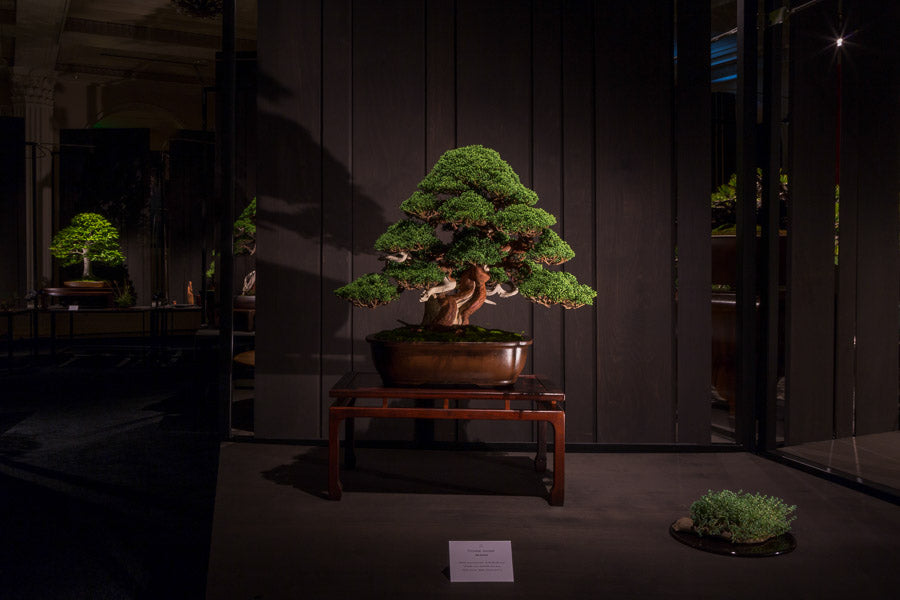
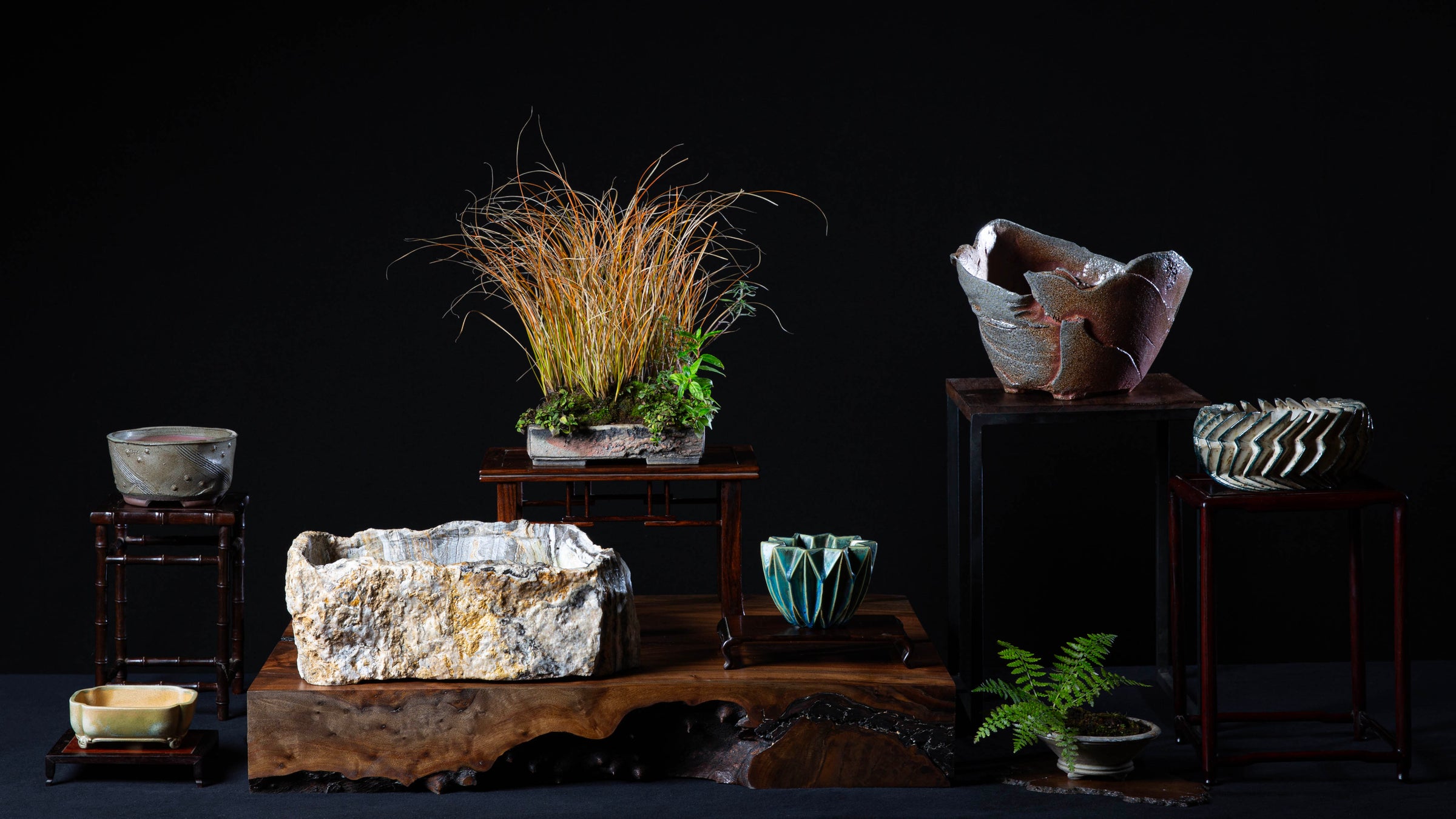
    Always a big question—glazed or unglazed? Some people prefer the earthy look of an unglazed ceramic, while others are drawn to the vibrancy of glaze. In the bonsai world, there is a tradition of conifers go in unglazed, deciduous in glazed.

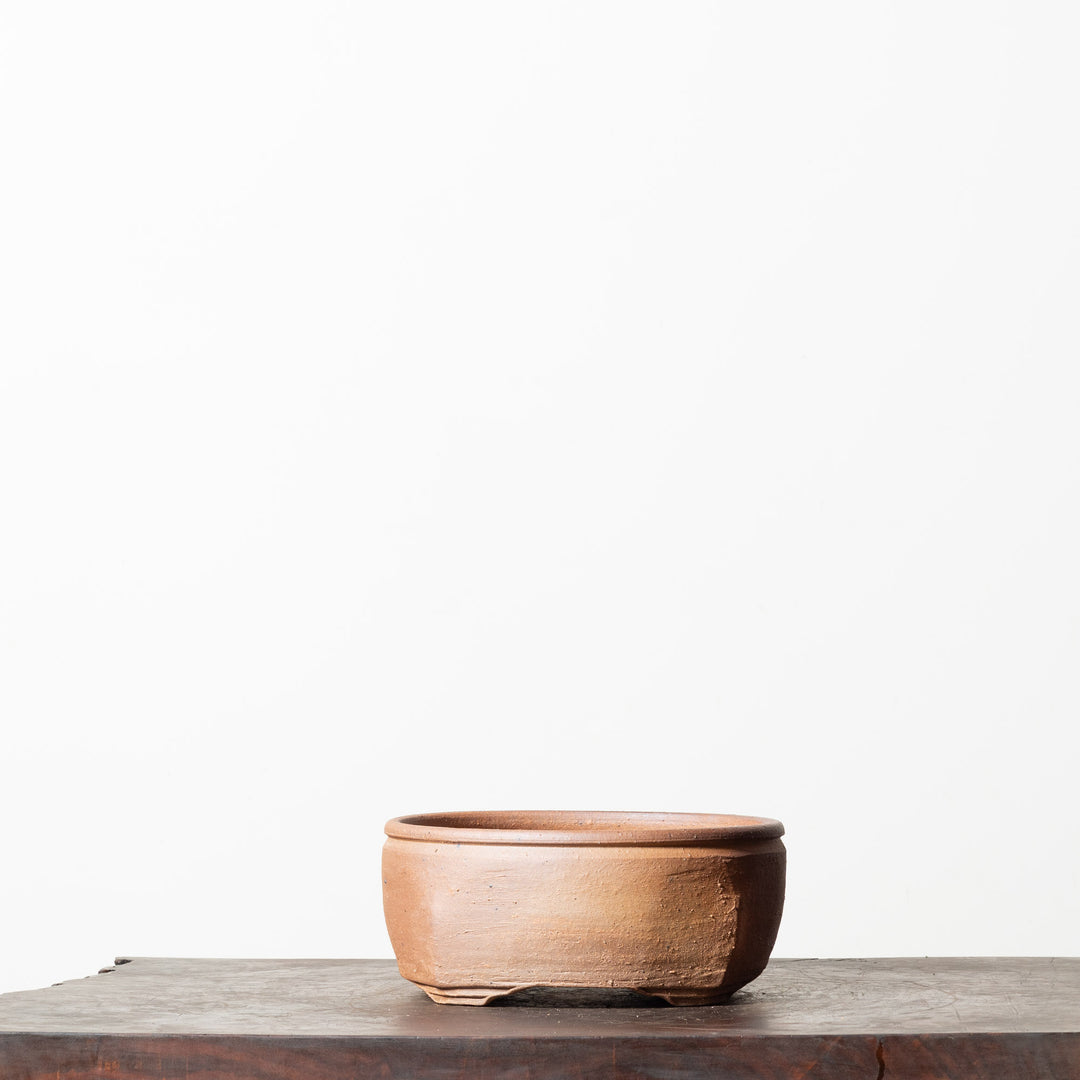
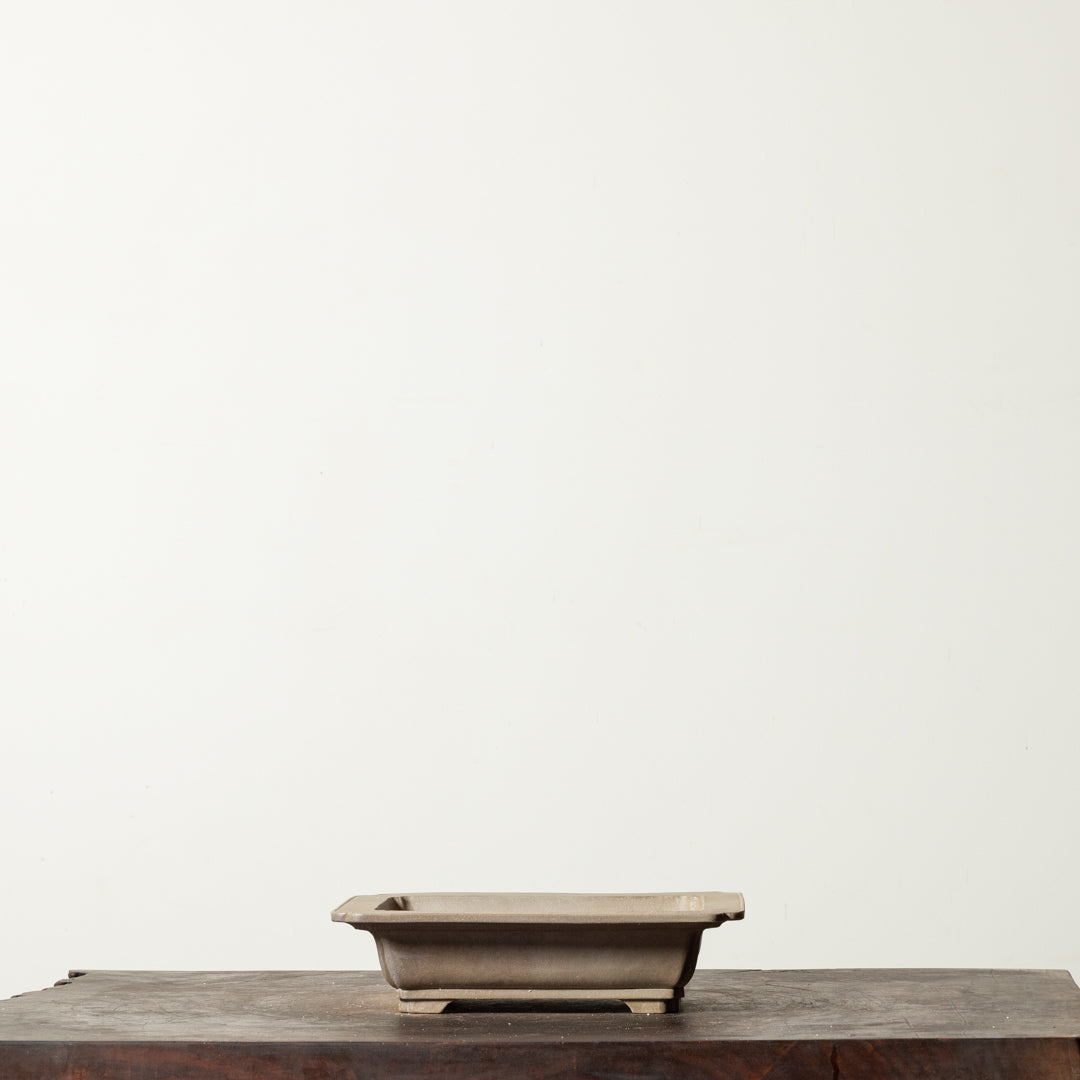
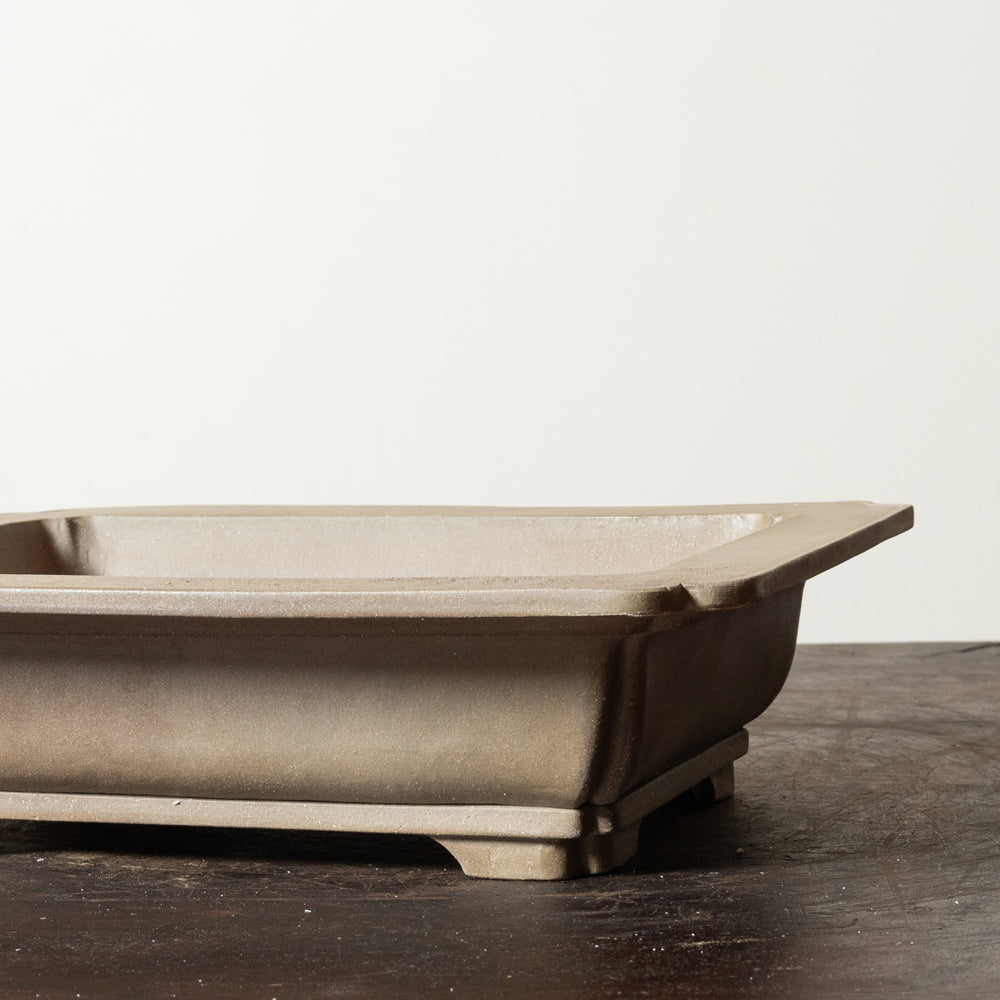
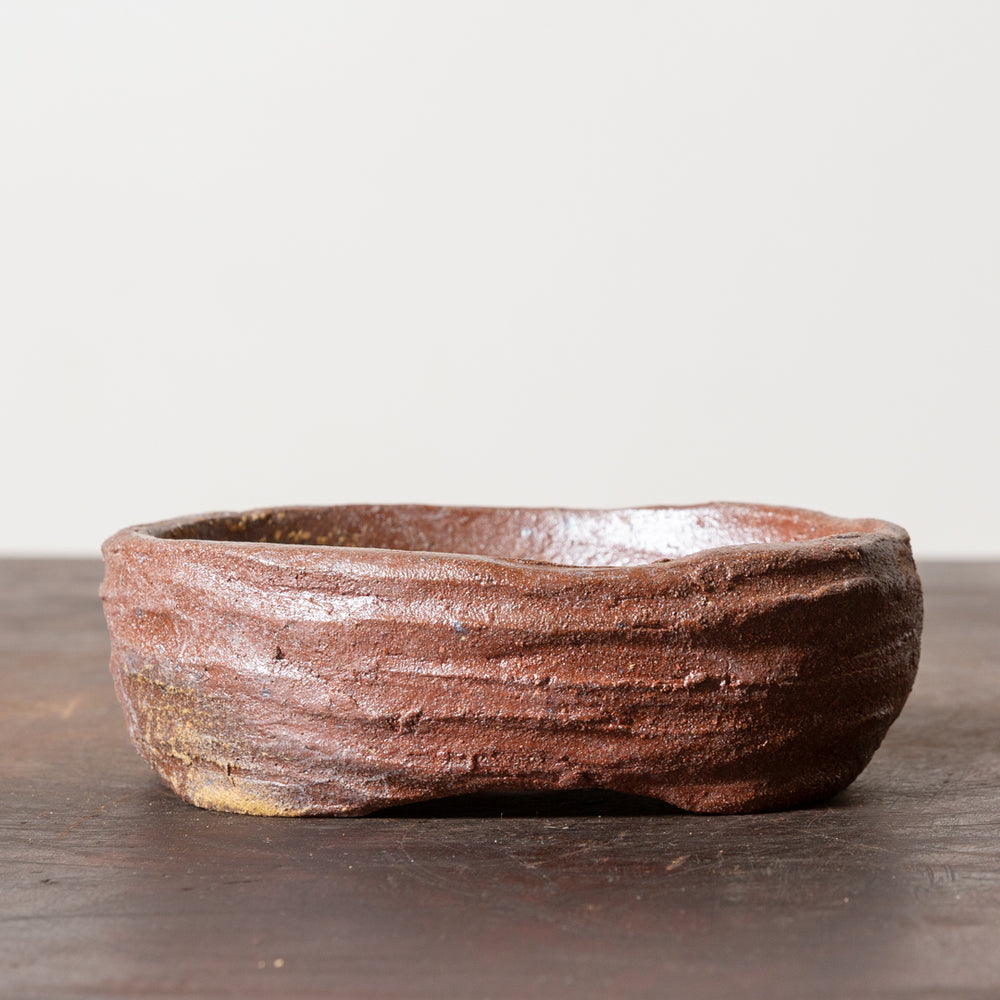
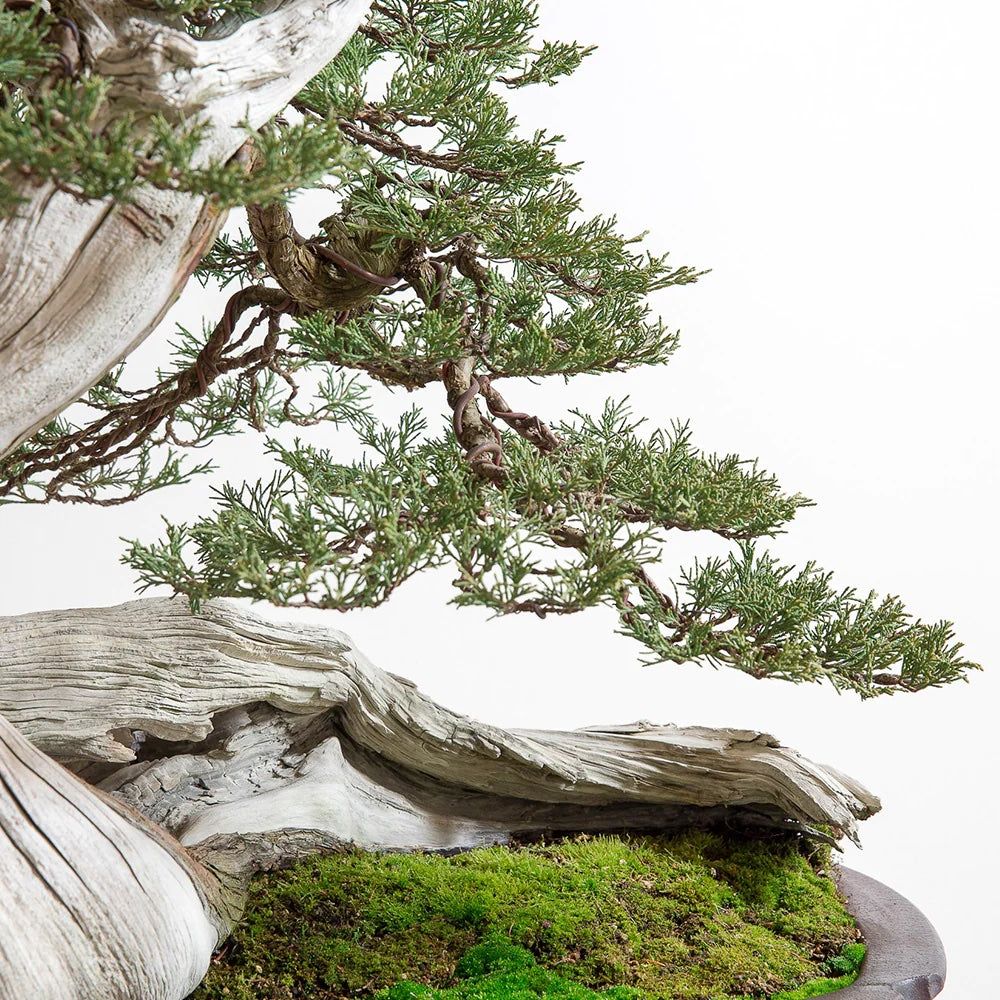
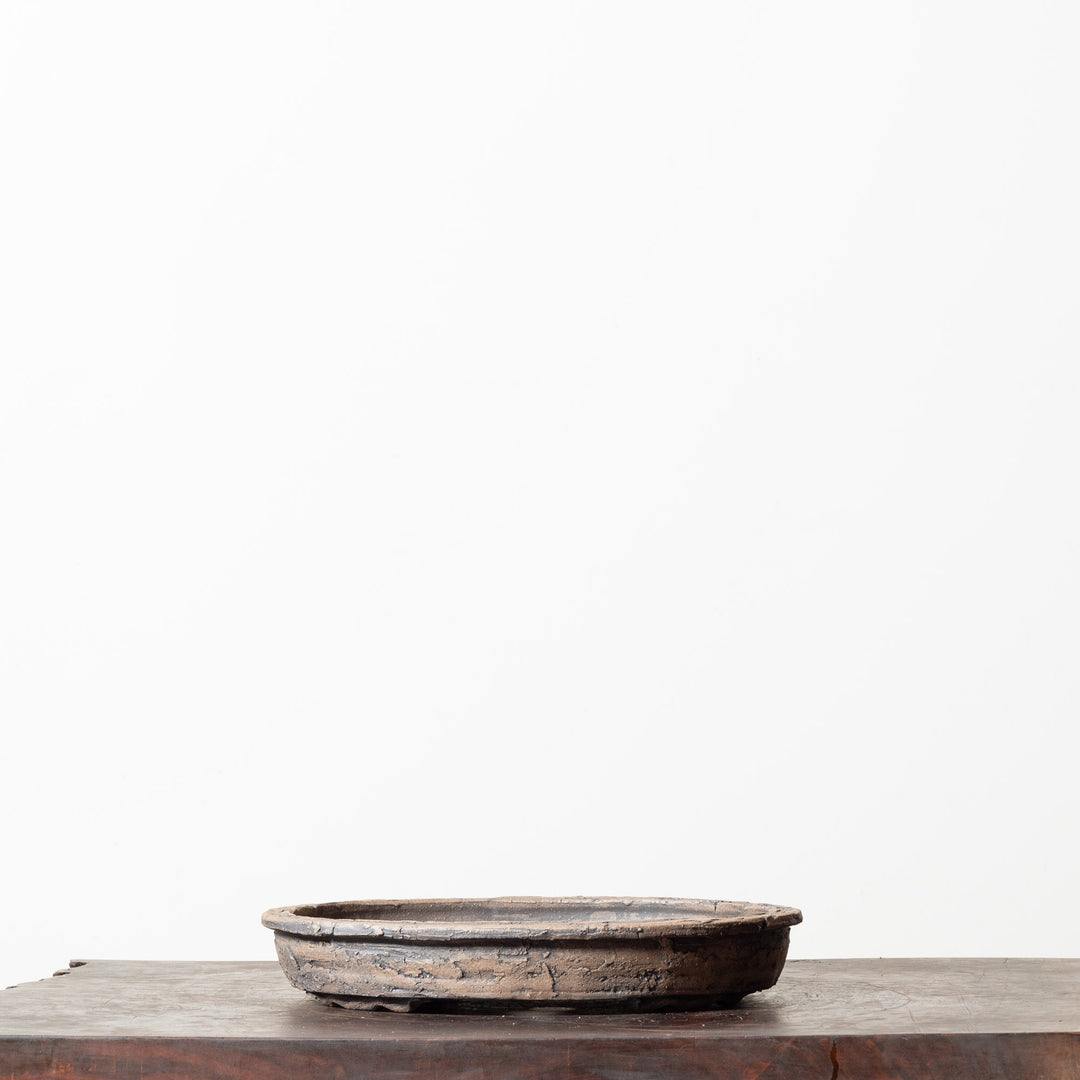
    Here’s why: conifers are a quieter species of tree; their value is typically derived from the impression of age. Nonglazed containers—lacking shine or bright color—generally have an older appearance and better compliment conifers.

    Also, on a horticultural level, conifers depend on a greater availability of water/oxygen exchange for microbiotic activity. Nonglazed containers better allow these exchanges to take place. For deciduous trees, there is always a notion of seasonality. The vibrancy of a glazed pot better compliments this notion of change and growth. Deciduous trees also don’t depend on mycorrhiza to survive and can tolerate the lack of air/water exchange allowed in a glazed container.

    Want to learn more?  Check out our blog Choosing your Ceramics to learn how to best match the ceramic to your composition. 

    New to ceramics? Check out our YouTube Beginner Series video on ceramic selection to for the basics! 

    Complimentary vs. Analogous

    The color of your container drives the visual energy of your composition—whether you want it to be striking or zen comes down to complimentary and analogous colors. First let’s break down the terms complimentary and analogous.

    On a color wheel, complimentary colors sit opposite each other and are more contrasting in feel, where as analogous are adjacent or next to one another, being more similar. Using a pot whose color is complimentary to the primary colors of the tree makes the tree pop.

    What to expect from unglazed finishes

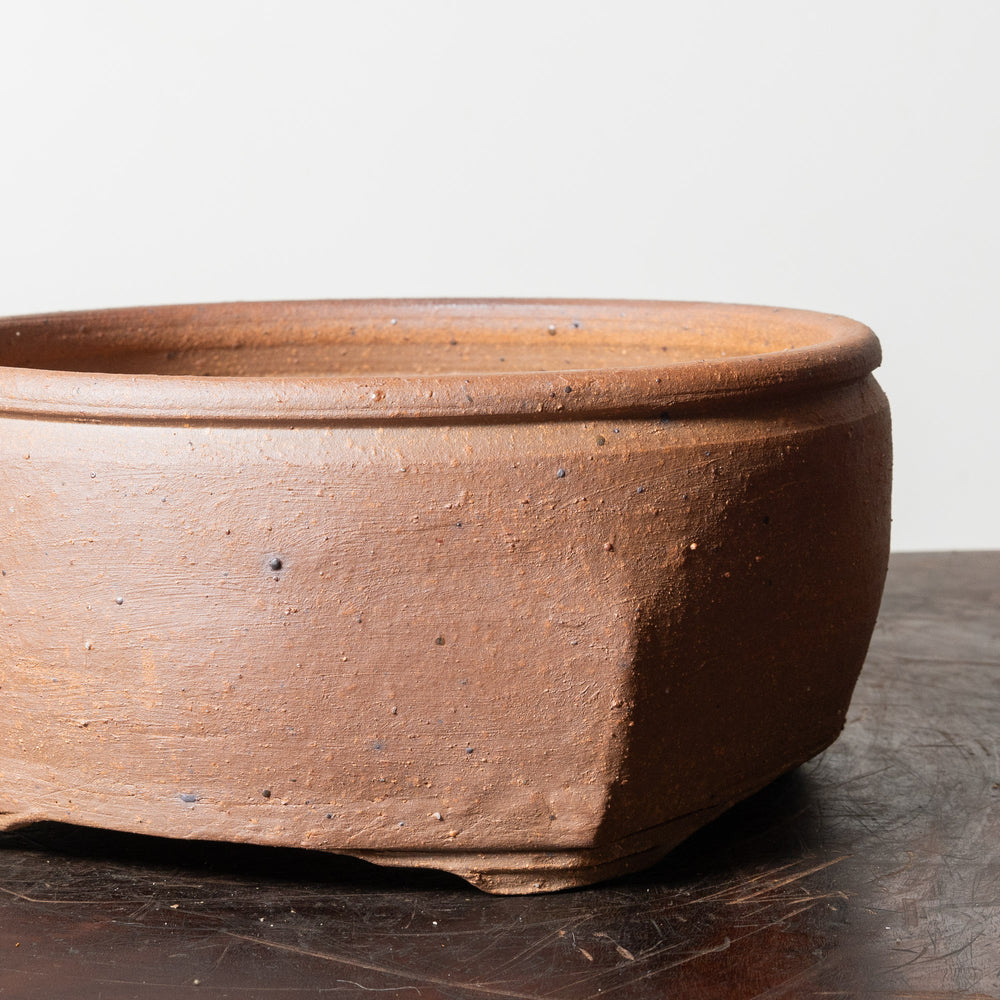
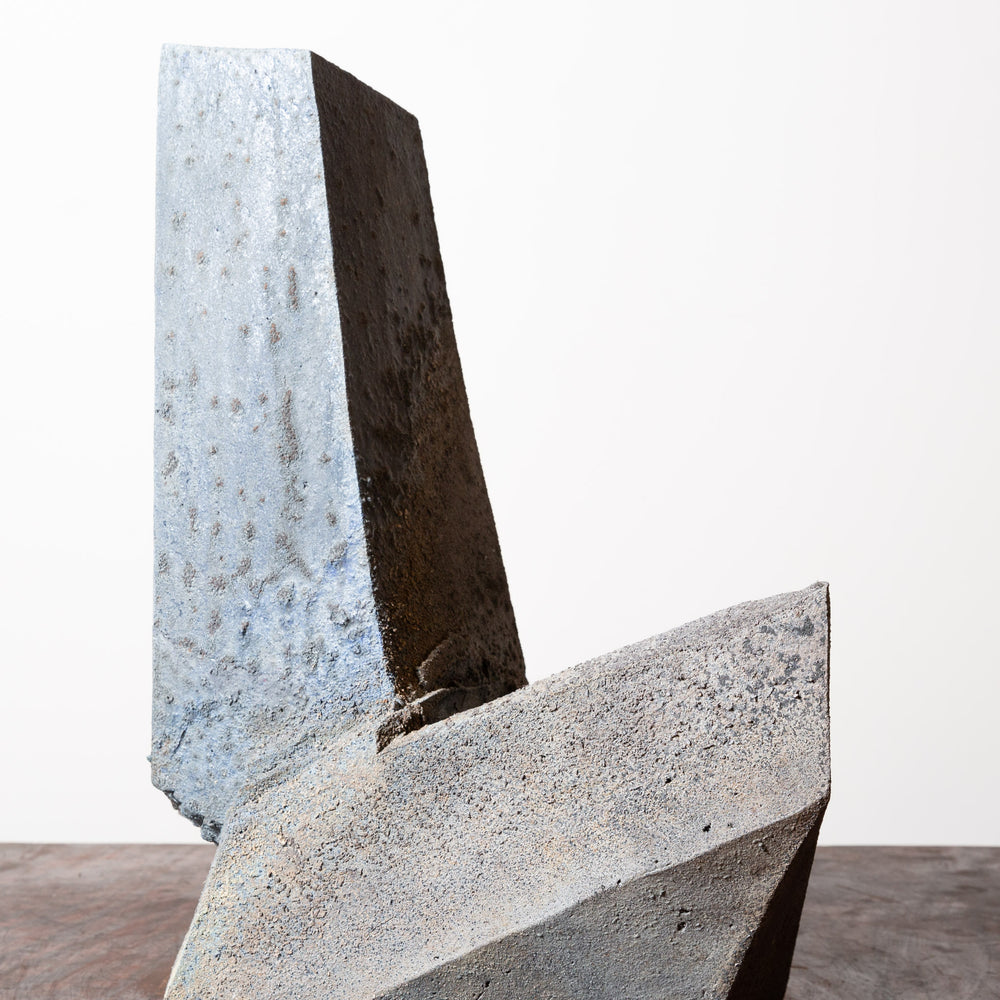
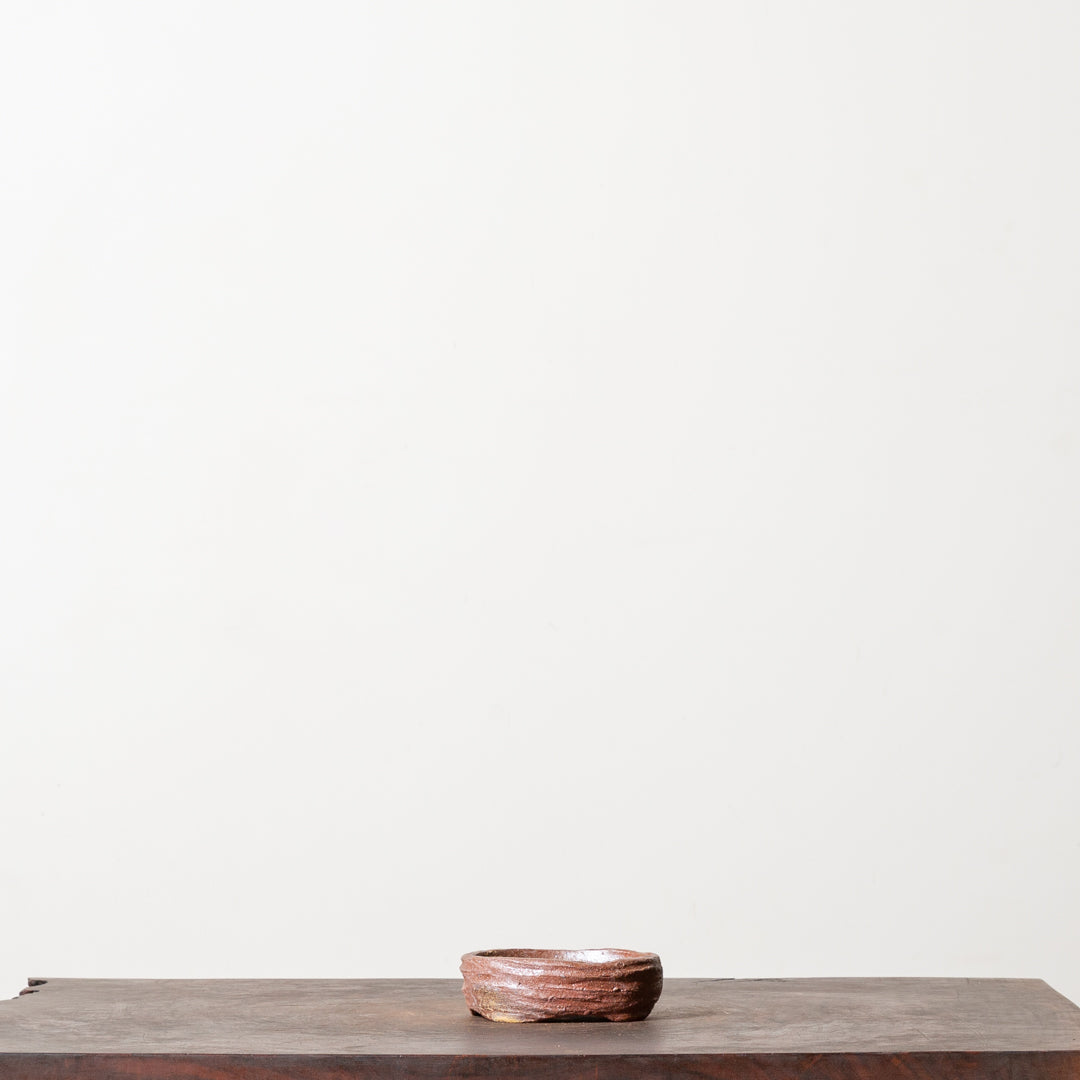
    Unglazed vessels often show:

    • subtle flashing and warmth from firing atmosphere
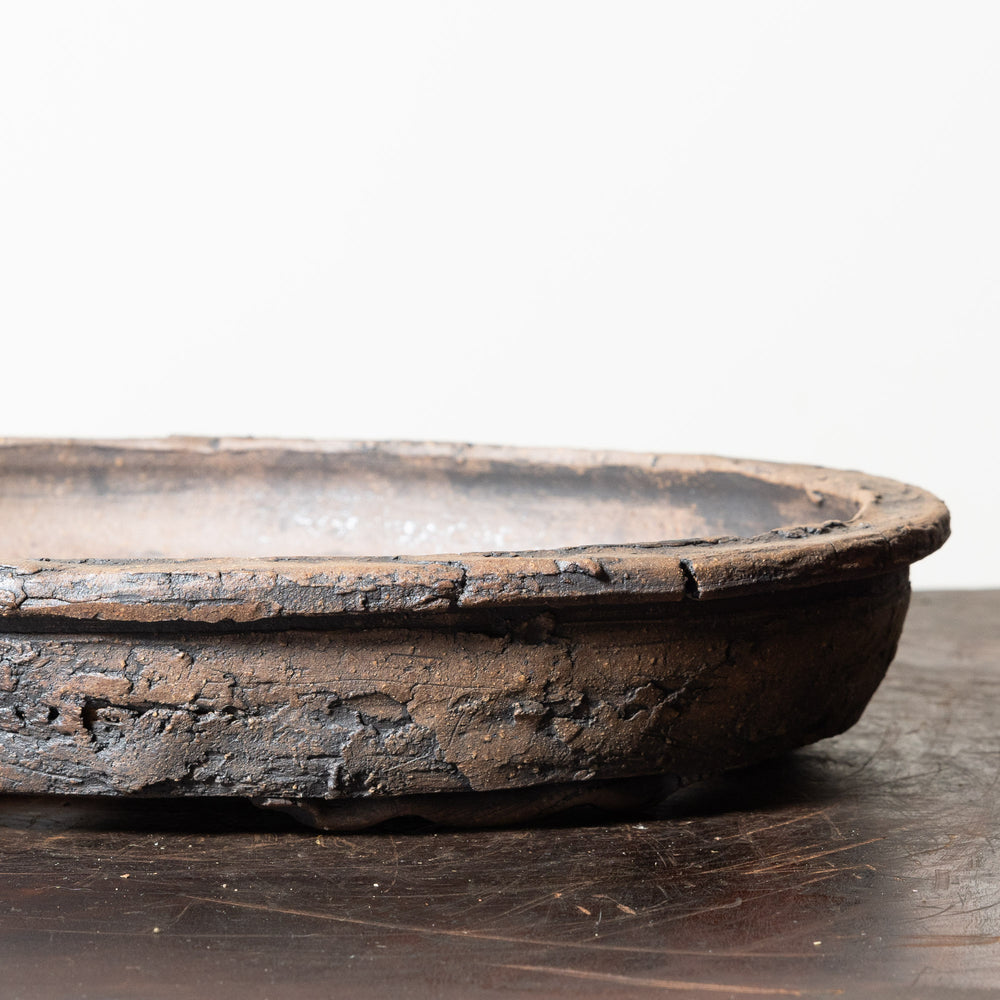
    • ash deposits and natural patina (especially wood-fired)
    • small kiln marks and variation that signal authenticity and craft

    These are features, not flaws, of high-level bonsai ceramics.

    Care & longevity

    Rinse with water only; avoid harsh cleaners to preserve natural patina and glaze luster. Protect from hard freeze/thaw cycles when water-logged. Expect honest kiln marks and variation, color and tone shift under light.

    Availability

    Each container is one-of-one and may sell quickly during launch windows. If a piece is gone explore related forms in the collection.

    FAQ

    Are unglazed pots always “better” for conifers?
    Not always—but they’re often the best starting point because the look supports age and the surface can promote exchange through the pot wall.

    Do unglazed pots require different watering?
    They can dry differently depending on clay body and thickness. Monitor after repotting and adjust watering to your conditions.

    Will the color match the photos exactly?
    Unglazed surfaces shift under different light. Expect natural variation—every piece is one-of-one.

    Can I use unglazed for deciduous trees?
    Absolutely—especially if you want a quieter, more timeless composition rather than emphasizing seasonal vibrancy.

    Can a sold-out piece be remade?
    No, each firing is unique. Join our community email newsletter for future releases and similar forms.