


Filter

    Jonathan Cross Ceramics

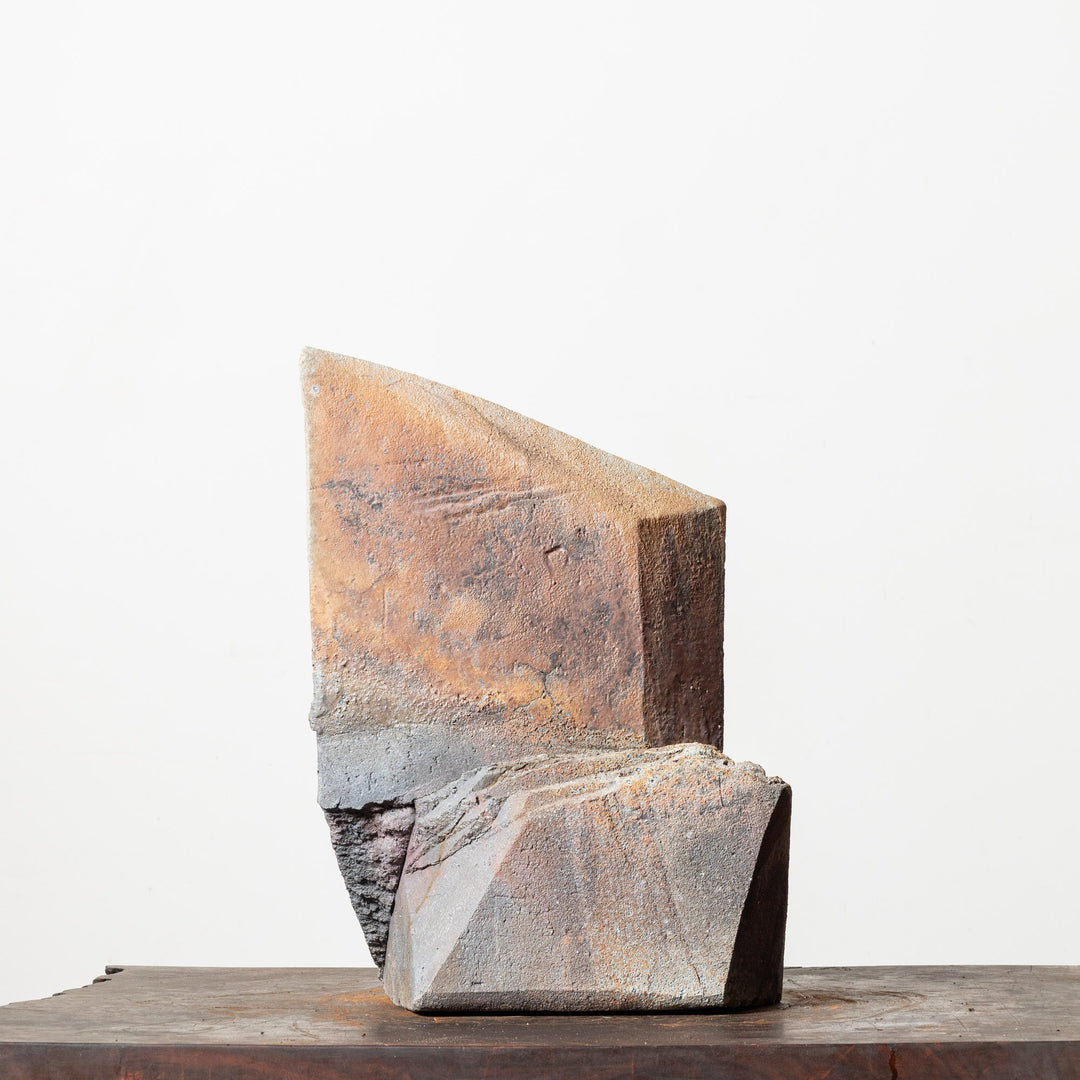
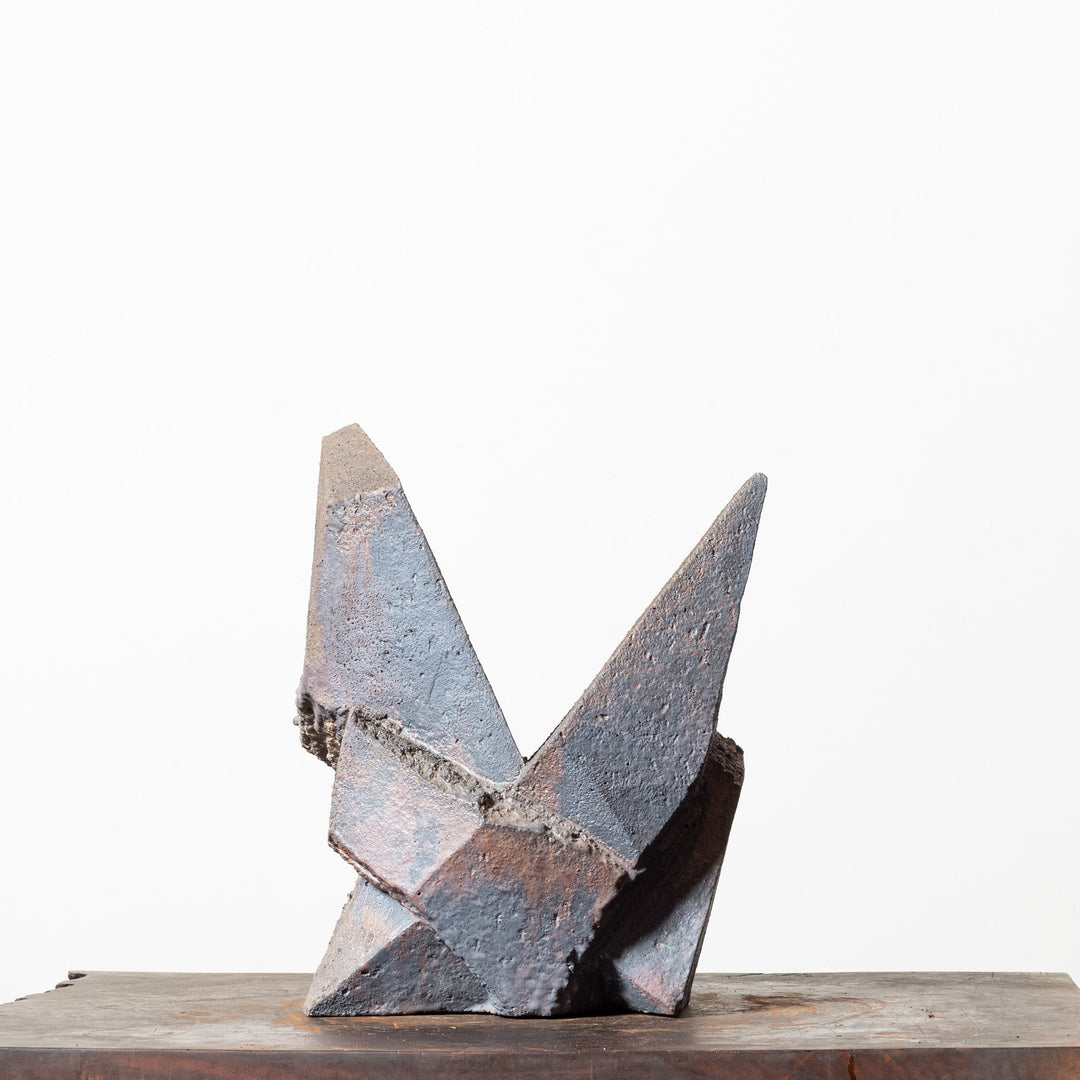
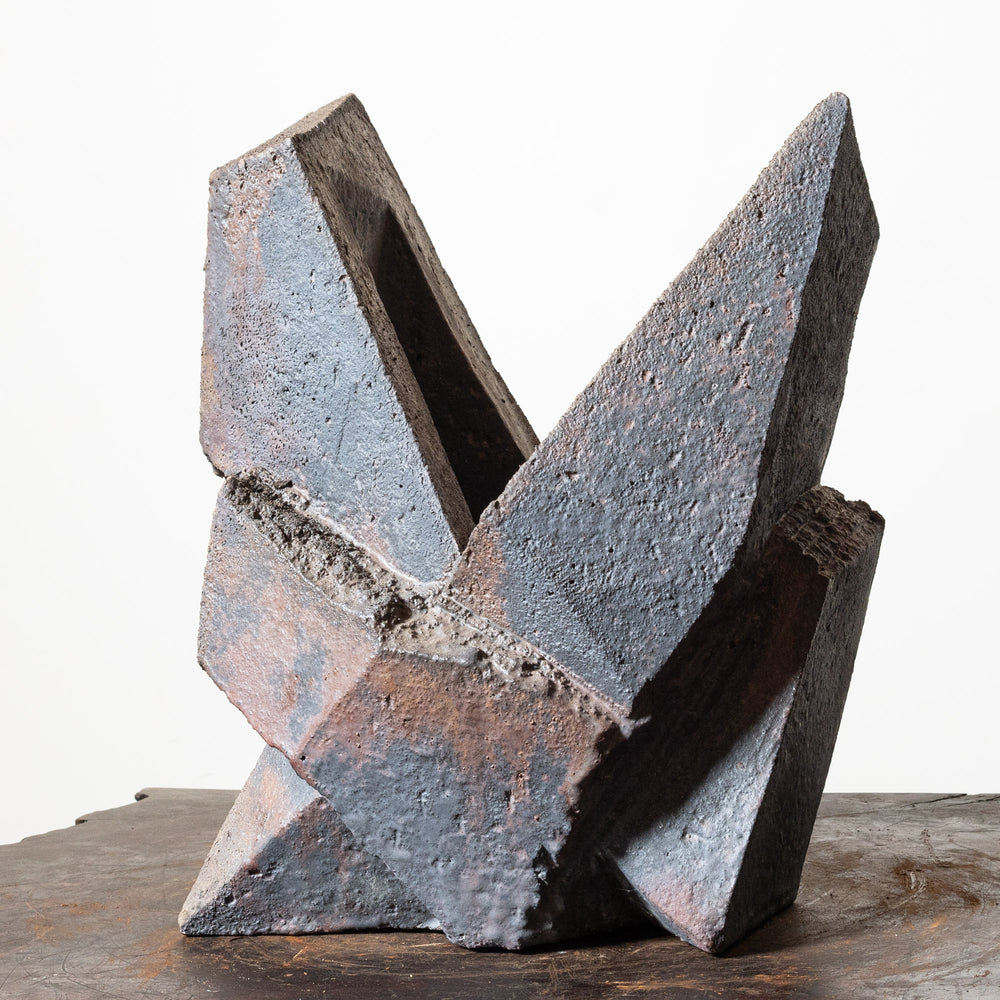
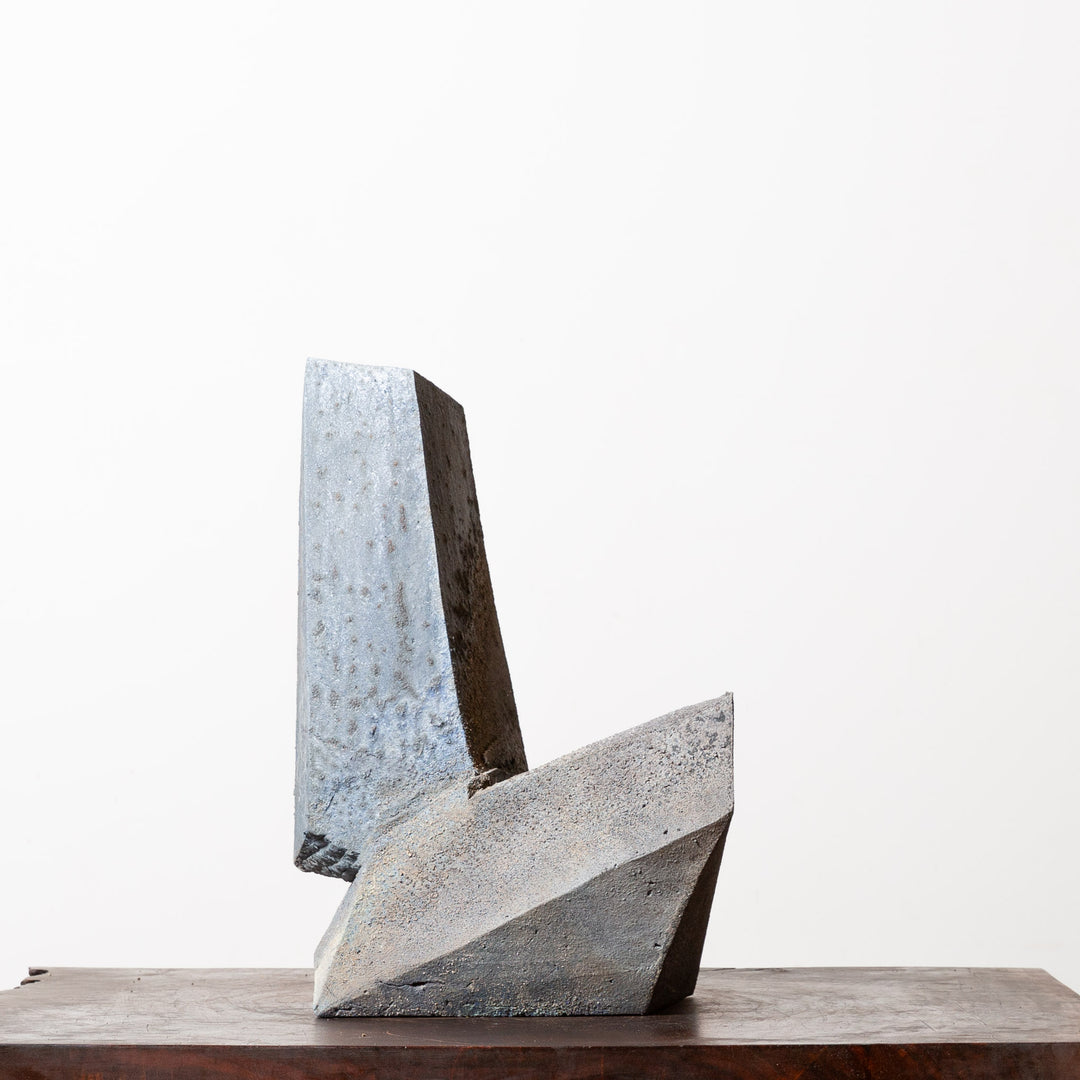
    Jonathan Cross creates bonsai ceramics with the sensibility of a sculptor and the discipline of someone deeply attuned to the natural world. Working from Joshua Tree, California, he draws from a landscape shaped by exposure, erosion, light, and silence. That environment lives in his work. Each vessel carries a sense of the desert’s raw geometry, its weathered surfaces, and its stark, elemental beauty.

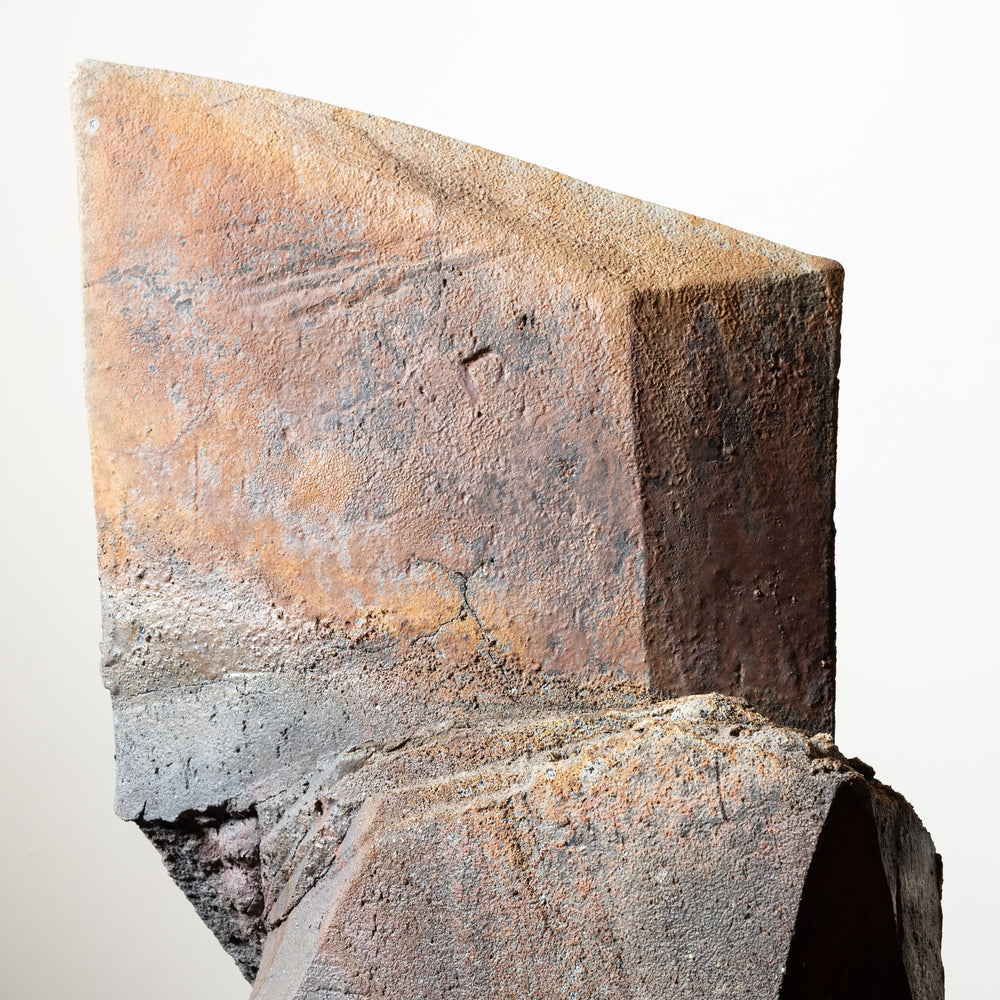
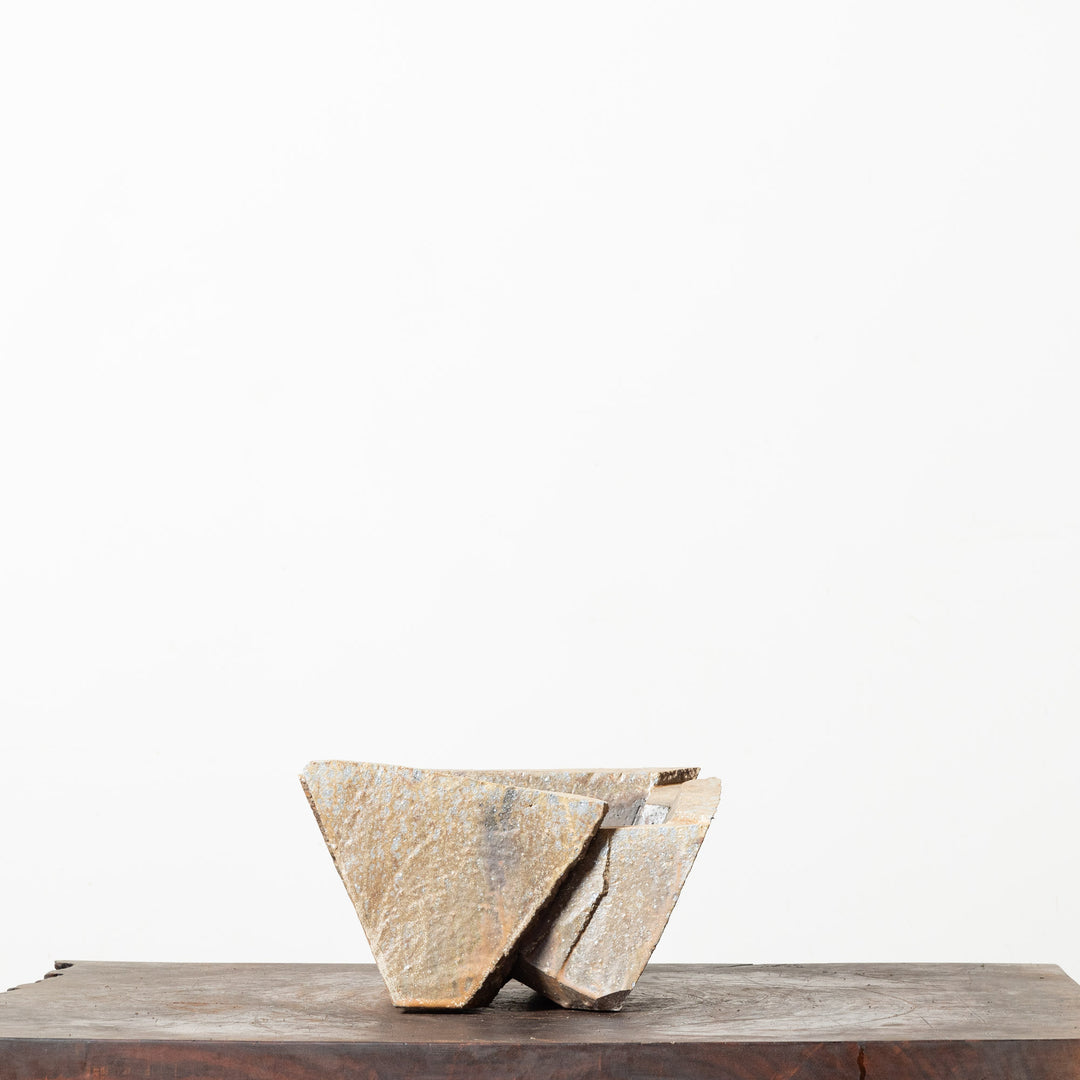
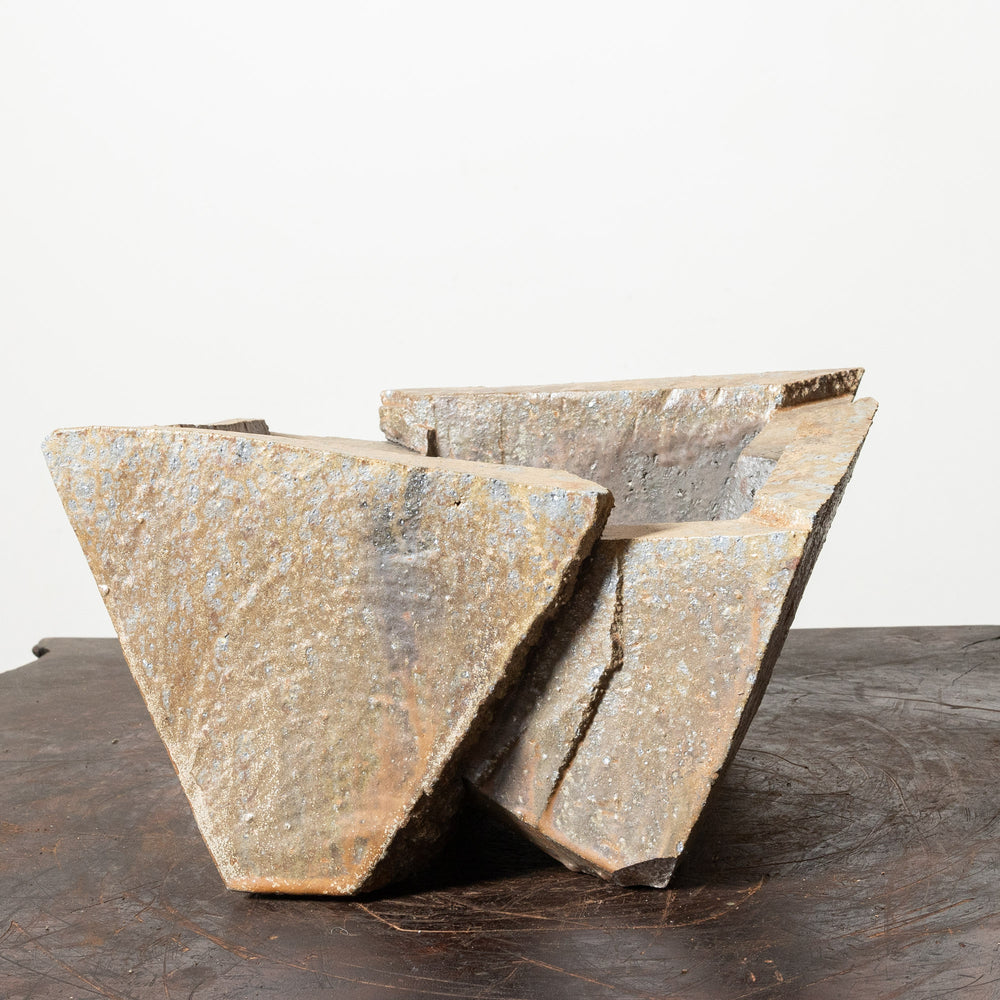
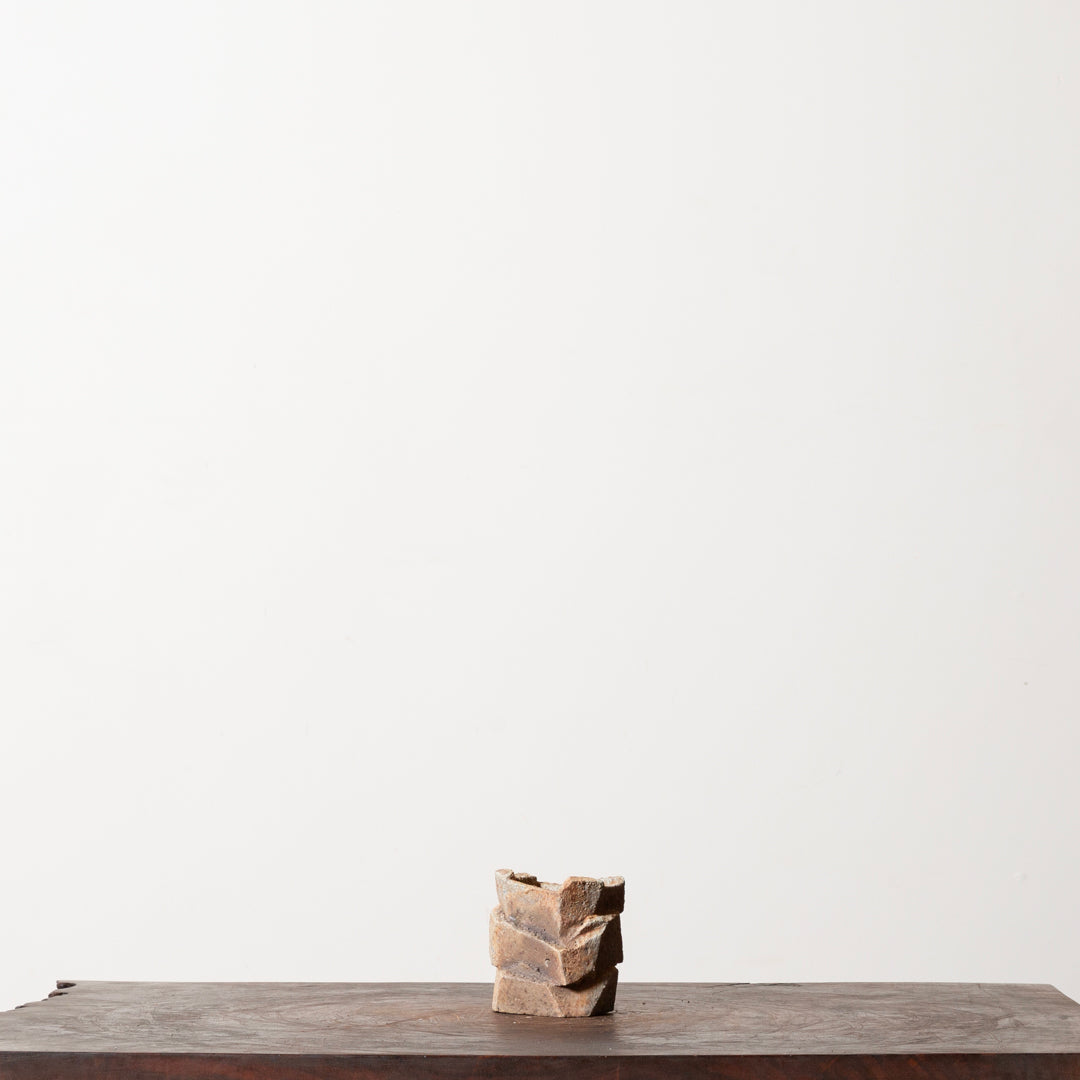
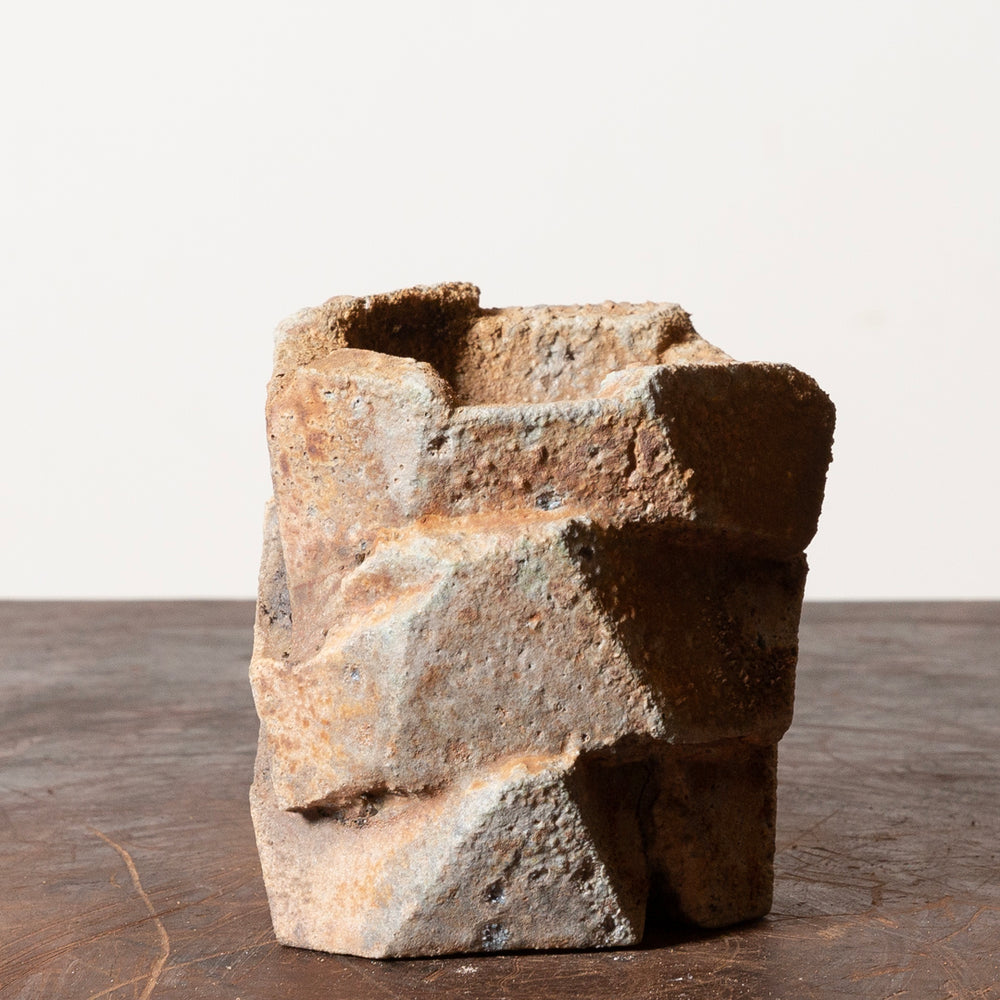
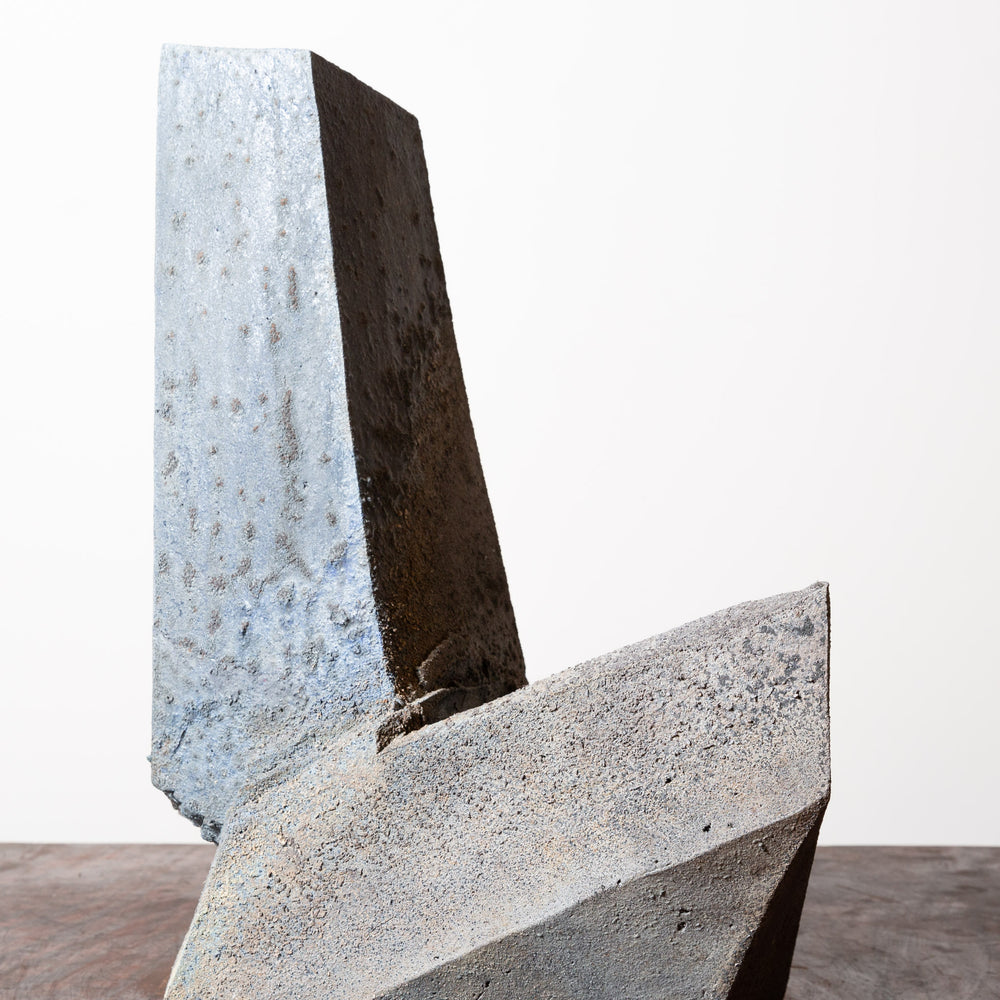
    His containers feel intentional from every angle. Planes shift. Edges catch light. Surfaces hold the memory of flame, vapor, ash, and touch. There is weight in the form, but never heaviness for its own sake. Jonathan’s ceramics bring structure and atmosphere to a composition, creating containers that do more than hold a tree. They establish mood, tension, and presence.

    What makes his work so compelling is the way sculpture and bonsai come together without compromise. The forms are bold, but they remain grounded in function. The surfaces are expressive, but never distract from the tree. Whether gas-fired, soda-fired, or wood-fired, each piece reveals a different conversation between clay and kiln, resulting in bonsai containers that feel both refined and elemental.

    To place a tree in a Jonathan Cross vessel is to build a composition with greater force. The container becomes part of the story, not a backdrop to it. It supports the tree horticulturally, but it also gives the composition an architectural clarity and emotional depth that can only come from a ceramic made with this level of vision and restraint.

    Explore the collection released in collaboration with Bonsai Mirai and the design philosophy championed by Ryan Neil


    Why Collectors Choose Jonathan Cross

    Collectors are drawn to Jonathan Cross because his ceramics bring unusual authority to a bonsai composition. His forms are decisive. His surfaces carry the record of fire, ash, vapor, and heat. His vessels do not simply hold a tree; they establish a setting, define a tone, and give weight to the visual narrative of the composition. That is why his work resonates with collectors looking for bonsai pottery that can stand at the intersection of sculpture, design, and horticulture.

    These wood-fired pieces record the path of flame through ash deposits, flashing, and heat mapping, creating an organic patina that pairs naturally with rugged bark and deadwood. For collectors, that range allows the selection of a bonsai container to become a highly specific design decision rather than a generic one.

    What ultimately makes Cross’s work compelling is its ability to feel contemporary without losing bonsai relevance. These are vessels with strong sculptural identities, but they remain rooted in the purpose of supporting and elevating a living tree. That balance is rare, and it is what makes Jonathan Cross ceramics so collectable.

    Form, Fire, and Surface

    The Force of Form

    Explore how Jonathan Cross approaches bonsai ceramics through sculptural form, carved geometry, and the interplay of light, shadow, and surface. This Mirai article looks at the desert influences, wood-firing process, and artistic vocabulary that define his bonsai pots and ceramic vessels.

    Read

    Asymmetry Podcast

    In this Asymmetry episode, Mirai celebrates Jonathan Cross’s soda-fired ceramics collection and the evolution of his firing process. It is a strong introduction to the thinking, experimentation, and kiln atmosphere behind his geometric bonsai containers.

    Listen

    Studio Process and Design

    Get a closer look at Jonathan Cross’s creative process, from shaping clay to developing sculptural bonsai containers with strong architectural presence. This video pairs well with Mirai’s written and audio features, offering more context on the form, firing, and artistic intent behind his ceramics.

    Watch

    Creating Tree and Container Harmony

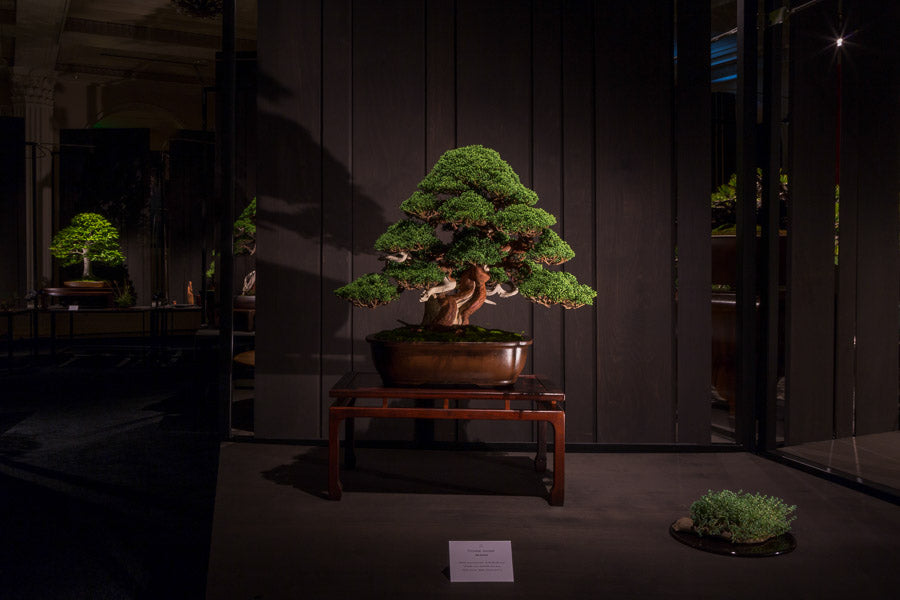
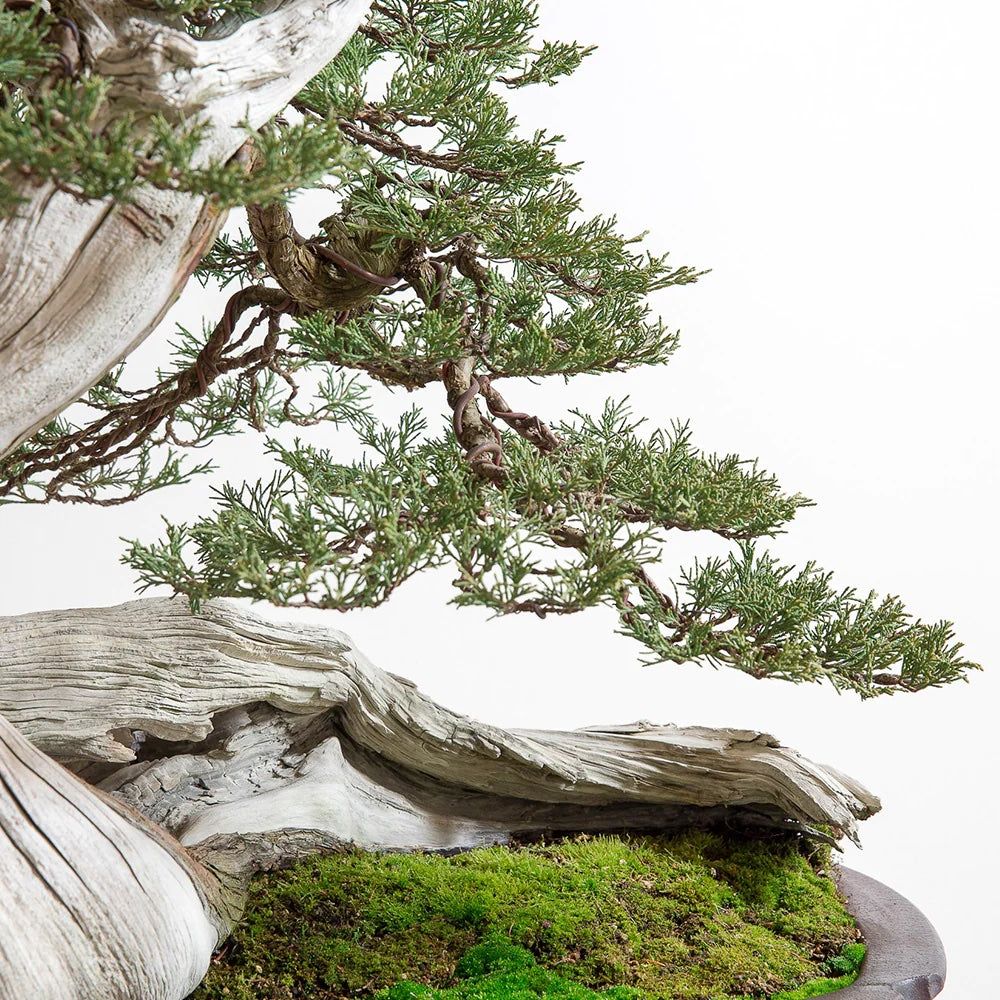
    Jonathan Cross ceramics are especially effective when the tree can carry a container with strong presence. His geometric forms, carved planes, and fire-marked surfaces pair naturally with conifers, collected material, trees with dramatic deadwood, and compositions where age, tension, and elemental character are central to the image. In these settings, the ceramic does not disappear. It becomes part of the composition’s architecture, reinforcing the strength of the trunk, the severity of line, and the visual gravity of the tree.

    Mirai Academy

    Learn the “Why” Behind Ceramic Selection

    The right vessel is part horticulture, part design, and part story. On Mirai Live, Ryan Neil and the Mirai team teach the principles behind composition, display, species-specific decision making, and the artistic choices that give a bonsai its presence. Explore Mirai Academy, the Mirai Mobile app, and the full video library to deepen your understanding of how ceramics shape bonsai.

    Balancing Style and Function

    A ceramic should be visually compelling, but it also needs to work for the tree over time. When selecting a bonsai container for repotting, consider root space, moisture retention, watering demands, and the level of care the tree will require after the work is done. Shallower or smaller bonsai pots can heighten the visual impact of a composition, but they often require greater precision in care. The best choice is the one that resolves both aesthetics and function, allowing the bonsai and container to mature together with strength and harmony.

    FAQs

    Start with the species, style, and horticultural needs of the tree. Conifers and rugged compositions often pair well with quieter or more textured containers, while deciduous, flowering, and fruiting trees can be complemented by smoother glazed ceramics. Watering demands, root mass, and your daily care routine should also influence the choice, especially when selecting a pot for repotting.

    His vessels are particularly strong with conifers, collected material, and compositions with bark texture, deadwood, and pronounced structural tension. Trees that can visually carry a container with strong form and surface tend to pair best. This is an inference based on the collection’s described geometry, rugged textures, and desert-fired surfaces.

    His work is especially defined by carved geometry, desert-influenced surfaces, and the role of firing in shaping the final vessel. The combination of sculptural form and kiln-recorded surface gives his containers a distinctly architectural and elemental quality.

    All pieces in the Mirai ceramics collection are handmade and unique, with variation shaped by the artist’s process, firing, and finish.

    Collectors are responding to the rarity of vessels that are simultaneously sculptural, horticulturally functional, and highly individual in surface result. The firing process and geometric carving make each piece feel singular, while still serving the needs of bonsai.