


Jan Rentenaar Ceramics

Jan Rentenaar Ceramics

Filter

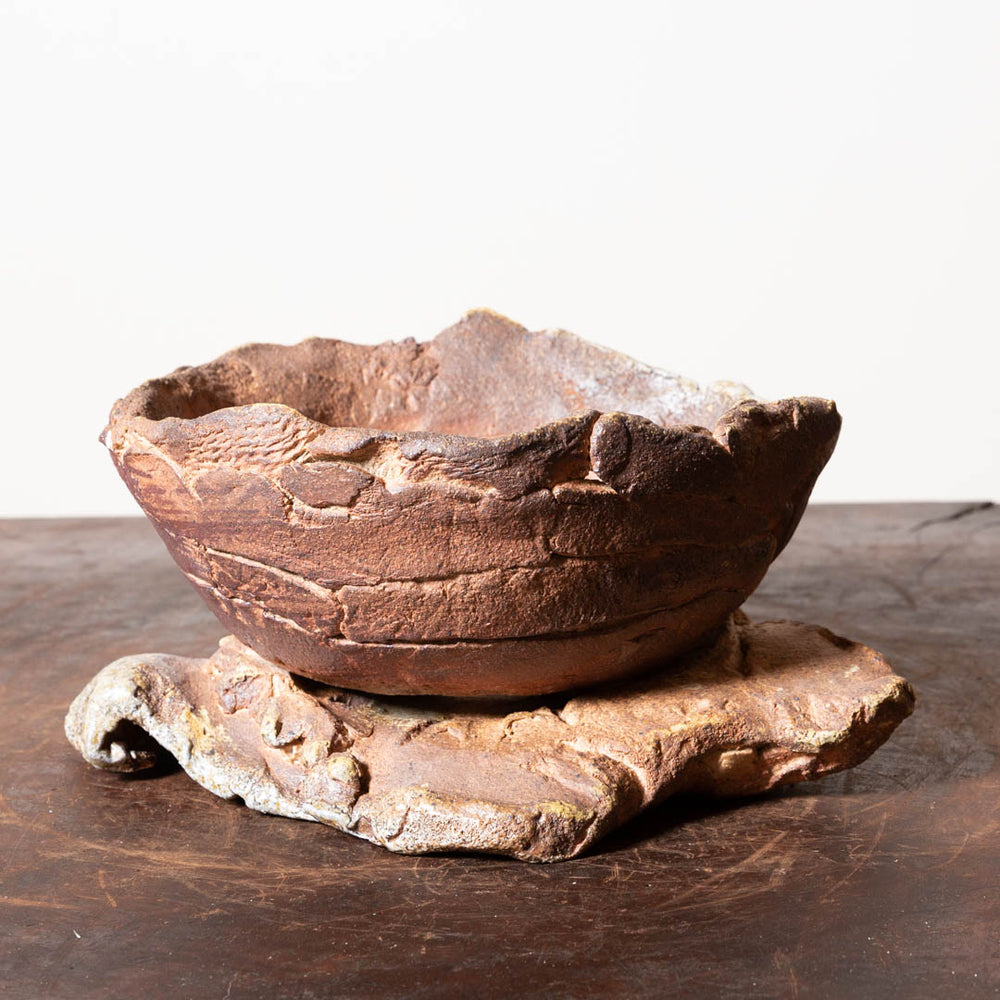
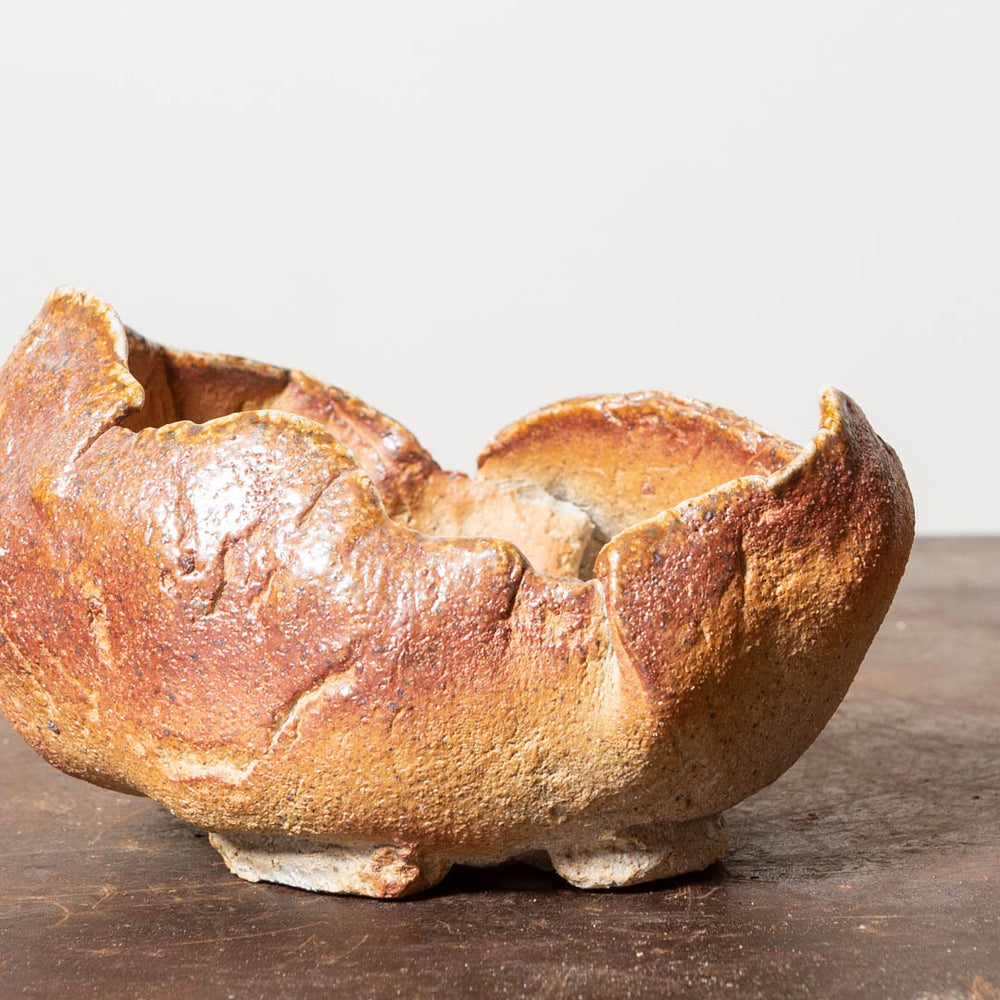
    Oregon ceramicist Jan Rentenaar creates bonsai containers that balance the ruggedness of nature with the refined beauty of a deeply artistic eye. Though long recognized for her sculptural work, Jan’s reputation as a bonsai potter continues to grow as collectors and practitioners seek out her distinctly organic forms, atmospheric surfaces, and one-of-a-kind vessels.

    Drawing inspiration from the Pacific Northwest and the natural world, Jan creates bonsai ceramics that feel elemental, expressive, and alive with movement. Her containers are shaped by free-form design and finished through a traditional Anagama wood-firing process, where flame, ash, and heat produce unrepeatable colors and textures. The result is a collection of unglazed bonsai pots that are both functional for living trees and impossible to duplicate.


    Organic Forms for Distinct Bonsai Display

    Jan’s containers are prized for their organic forms and sculptural presence. Inspired by natural elements and shaped with an artist’s eye, her work offers an alternative to more conventional bonsai pottery while still honoring the needs of the tree. These vessels are especially well suited to compositions that call for movement, texture, asymmetry, and a stronger dialogue between bonsai and container.

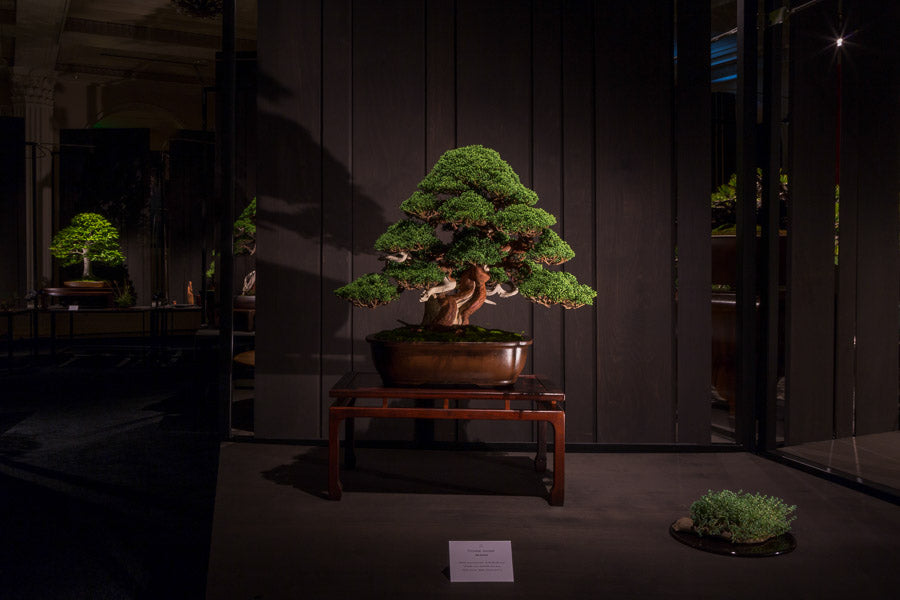
    Whether paired with rugged conifers, weathered deciduous material, or more contemporary compositions, Jan Rentenaar ceramics bring depth, character, and a clear sense of individuality to the display.

    Jan Rentenaar, Ceramicist

    Discover Jan Rentenaar’s background as an artist and sculptor, and explore how her free-form bonsai ceramics challenge traditional container design. This feature highlights the creative philosophy behind her work and the distinctive organic forms that make her vessels so compelling for bonsai display.

    Watch The Video

    Asymmetry Podcast

    Jan Rentenaar—a local ceramicist and art legend, joins us to celebrate the release of her latest collection of ceramics in collaboration with Mirai. We chat about her introduction to art, her ceramic process, and what motivates her as an artist. 

    Listen In

    Jan's Ceramic Process

    See a brief behind-the-scenes look at Jan Rentenaar’s ceramic process and the making of her expressive bonsai vessels. This short video offers a quick visual introduction to the movement, material, and craftsmanship that define her one-of-a-kind wood-fired ceramics.

    Watch the Short

    Why Collectors Choose Jan Rentenaar

    Collectors are drawn to Jan Rentenaar’s ceramics for the balance they strike between natural ruggedness and refined artistic expression. Her vessels feel deeply connected to landscape, with organic forms and surfaces that carry the unpredictability and beauty of the natural world. Each piece offers more than function alone—it brings individuality, atmosphere, and a sculptural presence that can transform a bonsai composition.

    Part of Jan’s appeal is the one-of-a-kind character created through her Anagama wood-firing process. Because flame, ash, and heat leave unique markings on every container, no two pieces are ever exactly alike. For collectors who value craftsmanship, rarity, and an artist’s hand in the final work, Jan Rentenaar ceramics offer a distinct sense of place and authenticity.

    Mirai Academy

    Learn the “Why” Behind Ceramic Selection

    The right vessel is part horticulture, part design, and part story. On Mirai Live, Ryan Neil and the Mirai team teach the principles behind composition, display, species-specific decision making, and the artistic choices that give a bonsai its presence. Explore Mirai Academy, the Mirai Mobile app, and the full video library to deepen your understanding of how ceramics shape bonsai.

    FAQs

    A bonsai ceramic is chosen for both horticultural performance and artistic proportion. Depth, surface area, drainage, visual weight, and finish all influence how the tree grows and how the composition is perceived.

    More sculptural vessels, slabs, and boldly textured forms can be especially effective for compositions that push beyond conventional display language.

    Yes. At Mirai, the vessel must support the tree horticulturally while also strengthening the composition artistically.

    Many pieces in the Mirai ceramics collection are handmade and unique, with variation shaped by the artist’s process, firing, and finish.

    Start with the tree’s species, stage of development, watering needs, and design direction. Then consider shape, depth, color, and texture so the vessel supports both health and visual harmony.